
"Lo primero, ¿cómo están los máquinas?"... pero con seres humanos
4 estrellas
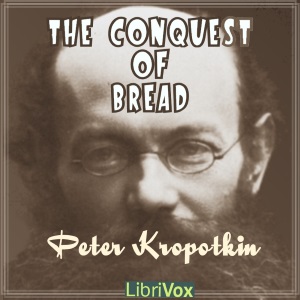
Este clásico de la teoría política del comunismo libertario transmite la siguiente idea principal: la propiedad privada es una herramienta de la clase burguesa para mantener la desigualdad; es un robo desde el momento en el que el esfuerzo común e intergeneracional se copta para el su privado. Las tierras comunales, con los árboles podados especialmente para que todos puedan obtener varas, las tierras húmedas desecadas, la tierras roturadas, el conocimiento, la mejora de la productividad agrícola, etc. Todo ellos se produce de forma intergeneracional y colectiva. Privatizarlo es un espolio.
Si logramos producir los suficiente para todos ¿Por qué seguir distribuyendo las riquezas por todos de forma privativa? Es un sinsentido. Pero, ¿podemos determinar cómo contribuye exactamente cada persona a la producción para, en función de ello, otorgar un salario “justo” o es demasiado complejo? La naturaleza colectiva de la producción hace imposible un cálculo que obedezca a …
Este clásico de la teoría política del comunismo libertario transmite la siguiente idea principal: la propiedad privada es una herramienta de la clase burguesa para mantener la desigualdad; es un robo desde el momento en el que el esfuerzo común e intergeneracional se copta para el su privado. Las tierras comunales, con los árboles podados especialmente para que todos puedan obtener varas, las tierras húmedas desecadas, la tierras roturadas, el conocimiento, la mejora de la productividad agrícola, etc. Todo ellos se produce de forma intergeneracional y colectiva. Privatizarlo es un espolio.
Si logramos producir los suficiente para todos ¿Por qué seguir distribuyendo las riquezas por todos de forma privativa? Es un sinsentido. Pero, ¿podemos determinar cómo contribuye exactamente cada persona a la producción para, en función de ello, otorgar un salario “justo” o es demasiado complejo? La naturaleza colectiva de la producción hace imposible un cálculo que obedezca a todos los factores y a todas las generaciones implicadas. De hecho, Kropotkin afirma que la ciencia de las élites busca demostrar que el apoyo mutuo es una mera comparsa en la evolución del ser humano y, muy al contrario, “siendo los medios de producción obra colectiva de la humanidad, deberán volver al poder de la colectividad humana. La apropiación personal de ellos no es justa ni útil. Todo es de todos, ya que todos lo necesitan, y todos han trabajado en la medida de sus fuerzas”. A este objetivo de la propiedad común se une el objetivo de la “buena vida”: I) producción suficiente y II) reparto del trabajo.
Aquí vemos como, desde una perspectiva actual, se mezclan en Kropotkin el mensaje decrecentista y ecologista, por un lado, y el progresista, por el otro: “para que le bienestar llegue a ser una realidad, es preciso que este inmenso capital (ciudades, casas, campos labrados, vías de comunicación, educación) deje de ser considerado como propiedad privada […]. Es necesario que sean propiedad común para que el espíritu colectivo saque de ellos los mejores beneficios para todos: se impone la expropiación”.
Como conclusión veo el morfema “La conquista de pan” como una metáfora de lo básico, de aquello que hay que asegurar durante el momento de ruptura con el sistema: fallará todo al desmoronarse, y hará falta asegurar la vivienda, el pan y el vestir a todos. Principios como la socialización, el No-Salario, la jornada de 5 horas, o incluso reducirla a 3 o 4 horas, el libre acuerdo, etc., son propuestos como la base del nuevo sistema que surgirá: el comunismo libertario. Además, en el libro, se analiza también en este libro lo que ocurrió en la Comuna de París y se ponen ejemplos de socialización y del funcionamiento de asociaciones altruistas: la "Lifeboat Association".